Patent Due Diligence
From Zero to One – Driving Product Strategy Transformation through User Research
Role
Product Designer
Timeline
Sep. 2018 - Jun. 2019
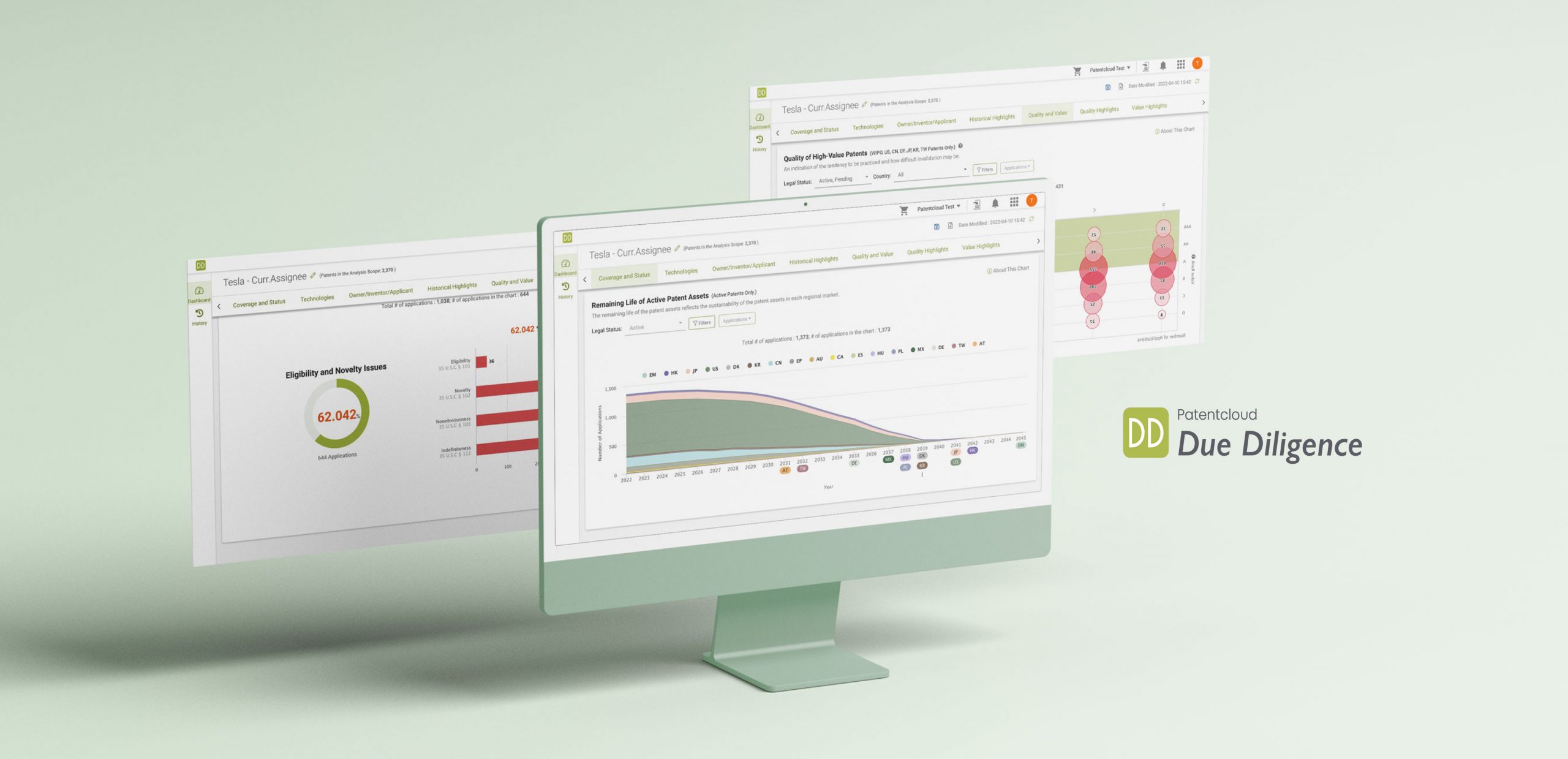
Project Overview
Through in-depth user research, collaborative workshops, and data validation, I successfully influenced and shifted the strategic positioning of a patent due diligence product from a broad target audience to a focused "buyer's market," building a precise and effective product direction from the ground up.
My Role Product Designer
(Leading user research, product strategy transformation, and team consensus building)Project Timeline Sep. 2018 - Jun. 2019
Team 1 Designer (Me), 2 Product Managers, 4 Engineers
Background
This project was my first product development endeavor after joining InQuartik. Initially, design was not deeply involved in the strategic or scope-level planning. The Product Manager's understanding of the target audience was broad, aiming to serve all roles in patent due diligence scenarios (buyers, sellers, and brokers).
What is
Patent Due Diligence?
Patent due diligence is a background check before M&A or patent transactions. InQuartik’s product addresses this niche, which presents key challenges:
Hard to Value: Patents are intangible and difficult to assess.
Data Chaos: Patent info is unstandardized and time-consuming to organize.
High Expertise Needed: Understanding quality requires deep domain knowledge.
These factors made defining product value a complex task.
My Doubts
& Challenges
I had doubts about the Product Manager's decision to target all roles in patent transaction scenarios (buyers, sellers, intermediaries). Intuitively, the needs, behavioral patterns, and desire for "information transparency" would likely differ significantly among these roles, potentially leading to fragmented product functionalities that failed to meet core needs.
Core Challenge
" How to use systematic user research in the early product stage to ensure alignment with real user needs and business potential. "
My Approach
As the sole Product Designer on the project, I recognized the need for more precise user insights and strategic adjustments for the product's direction. I led a series of research and collaboration processes:
Collaborative Co-creation :
Strategic Workshops & User Story Refinement
Objective
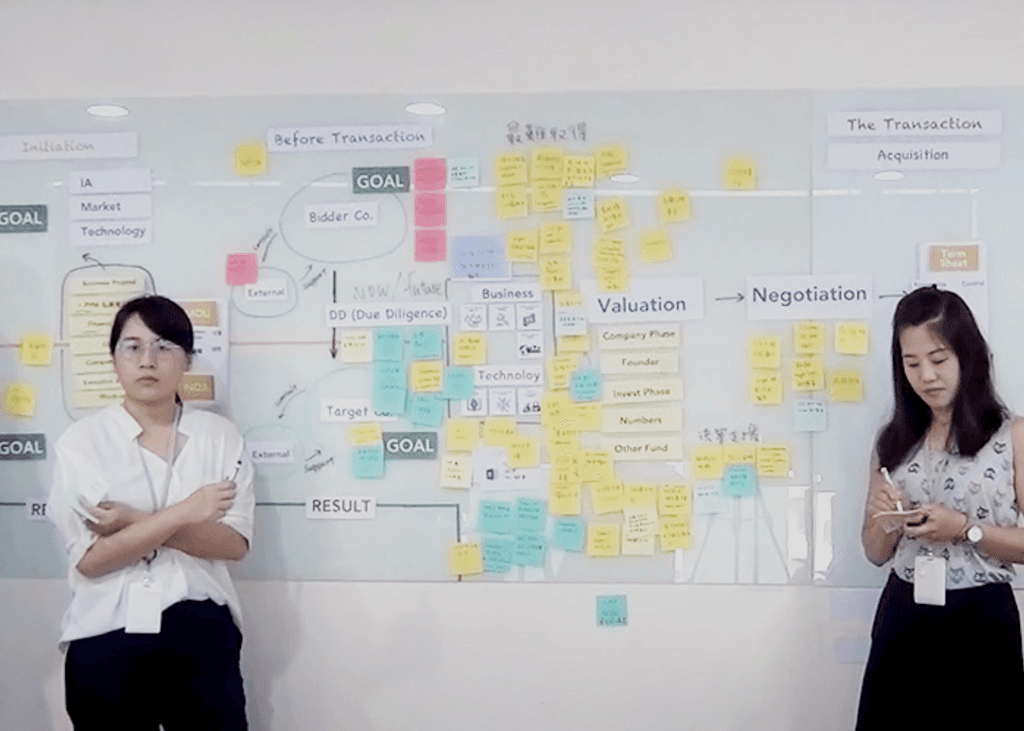
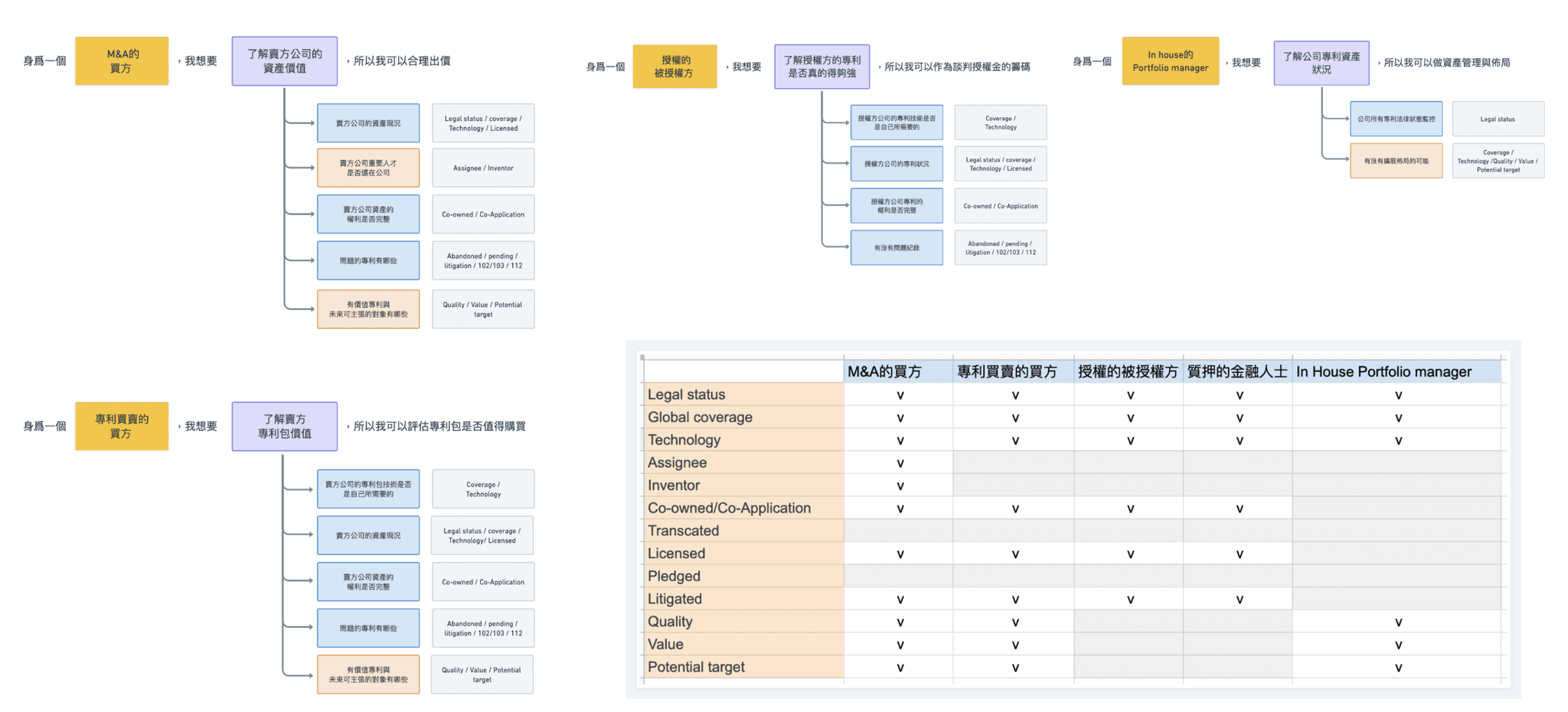
To address my doubts about the target audience and gain deeper insights into user pain points and workflows, I proactively planned and facilitated a series of workshops involving internal experts (e.g., sales, legal) and the product team.
Process & Deliverables
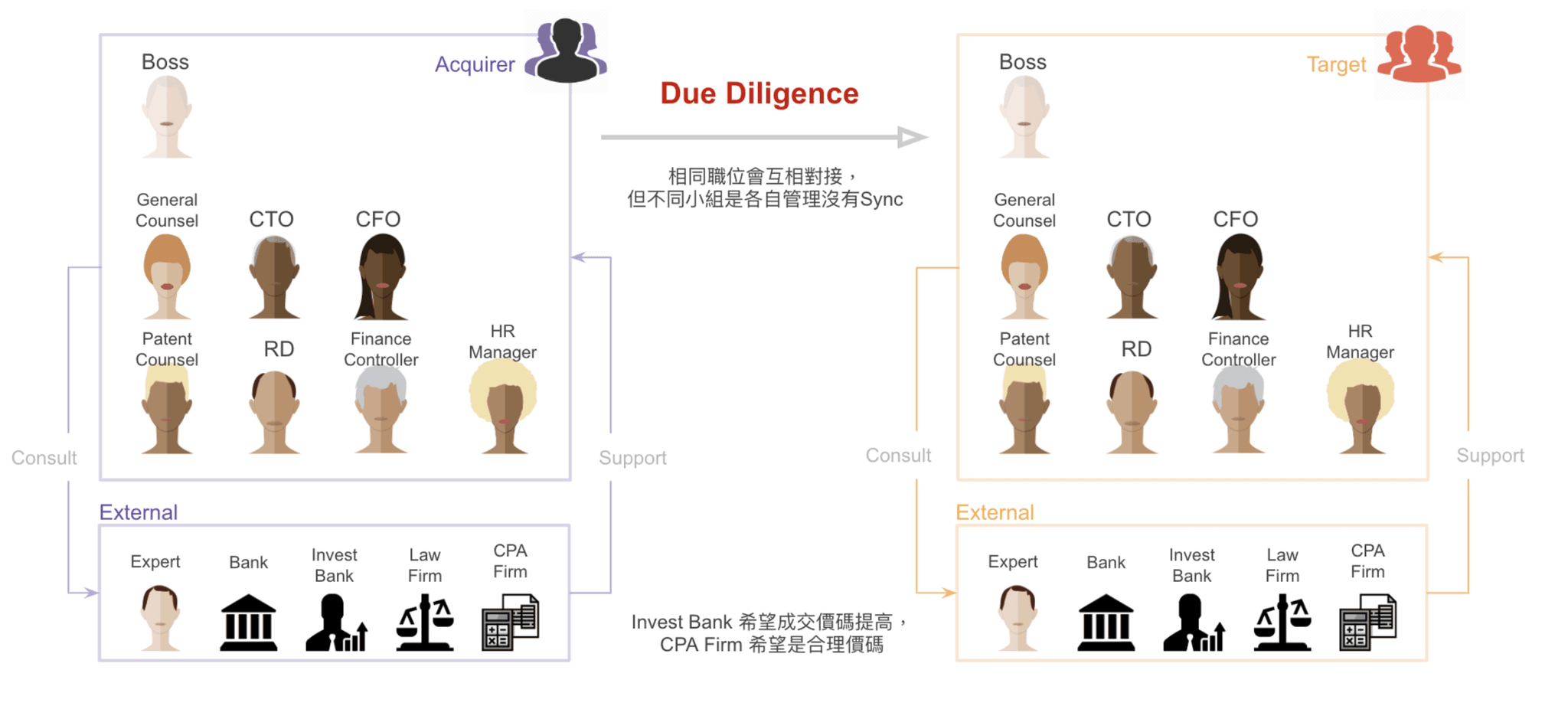
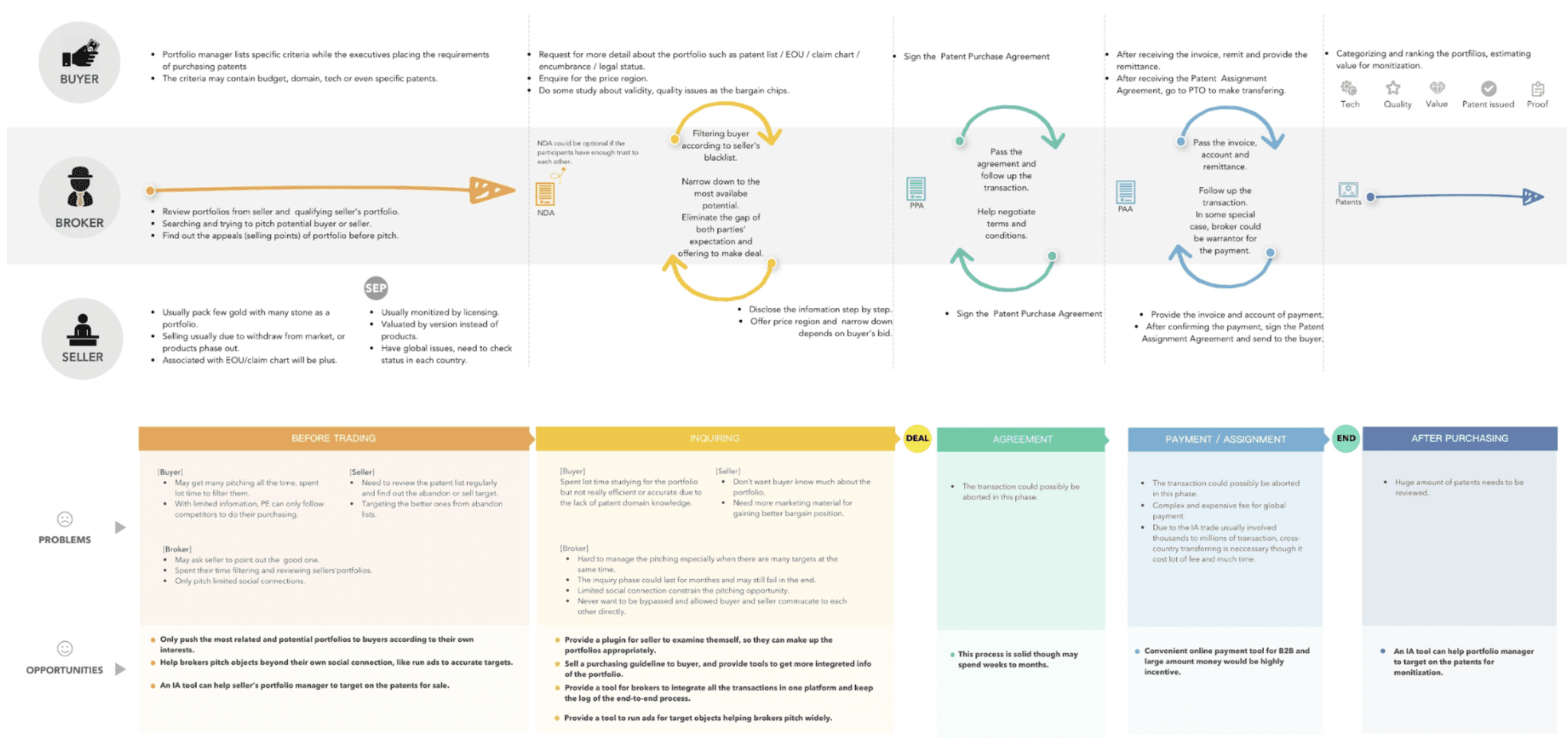
Through collaborative whiteboard sessions, Affinity Mapping, and simplified user journey mapping activities, we successfully extracted key insights from domain experts. These insights were then transformed into concrete User Journey Maps and User Stories. These user stories became crucial for our understanding of user needs and feature definition, also serving as my starting point for designing data reports and validating the product direction.
Insight Validation & Data Transformation:
From User Stories to Data Reporting
Thought Process
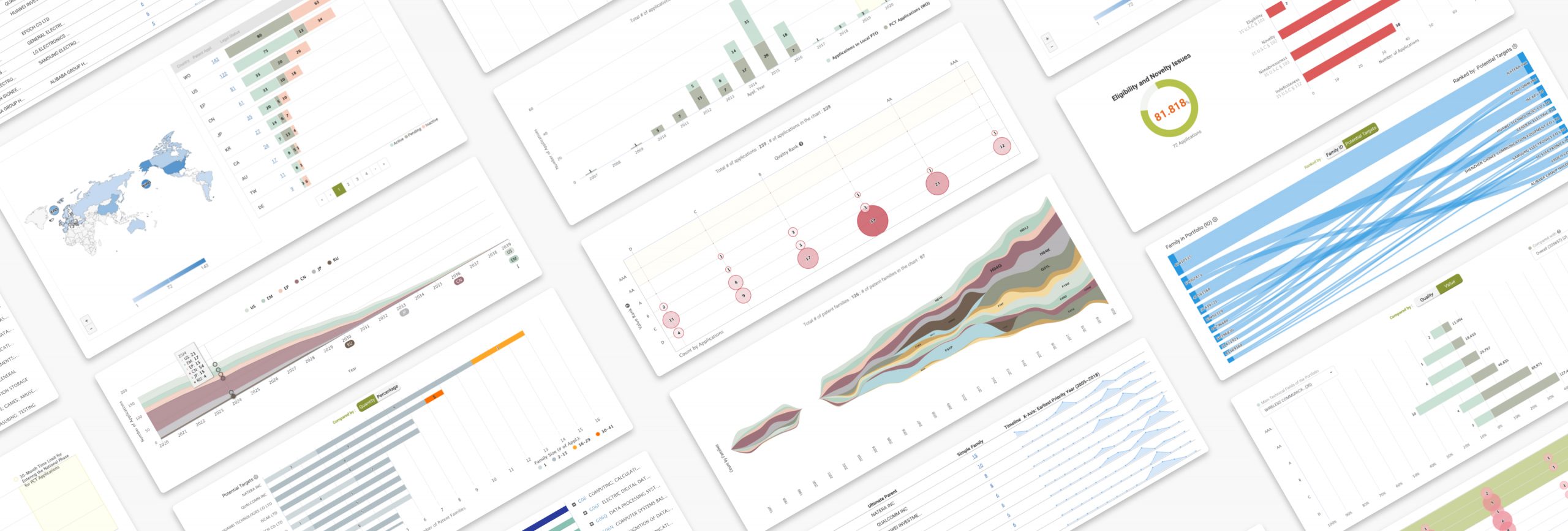
To validate the priority and impact of each User Story and communicate effectively with the team and stakeholders, I realized the need to translate qualitative insights into measurable and persuasive data. I began exploring how to design data reports that could present complex patent data and underlying user stories in a way that is intuitive and decision-oriented.
Design process
My Data Visualization Design Stages & Thinking

Comprehensive User Research:
Interface Validation & Target Audience Insights
During the prototyping phase, we explored two interface versions (A and B). To clarify my doubts about the target audience and validate design effectiveness, I planned and conducted a series of in-depth user research activities.
Research Methods
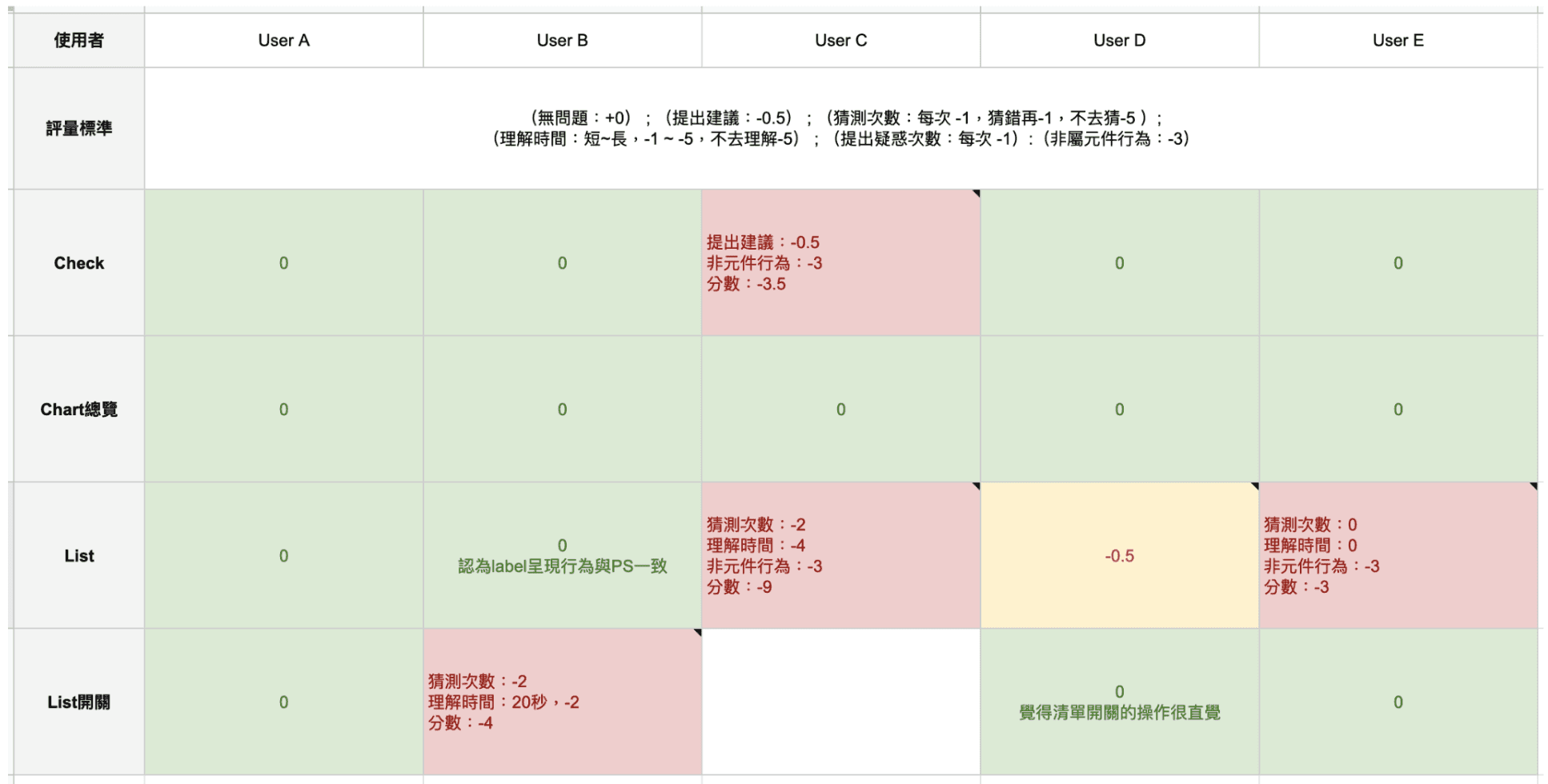
Usability Testing
Evaluated the interaction flow and experience of both interface versions.
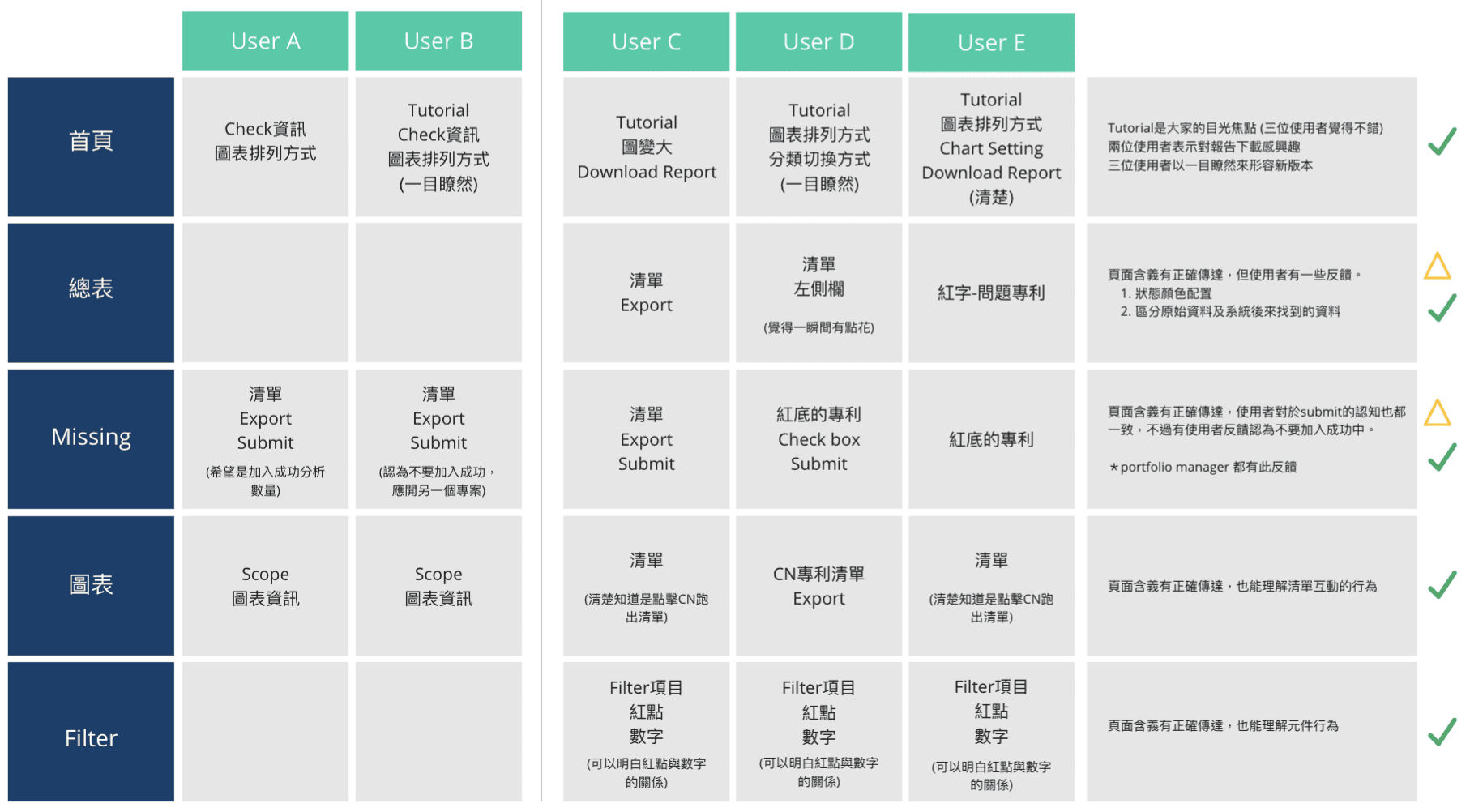
Cognitive Walkthroughs
Assessed interface guidance and task completion paths from a user’s perspective.
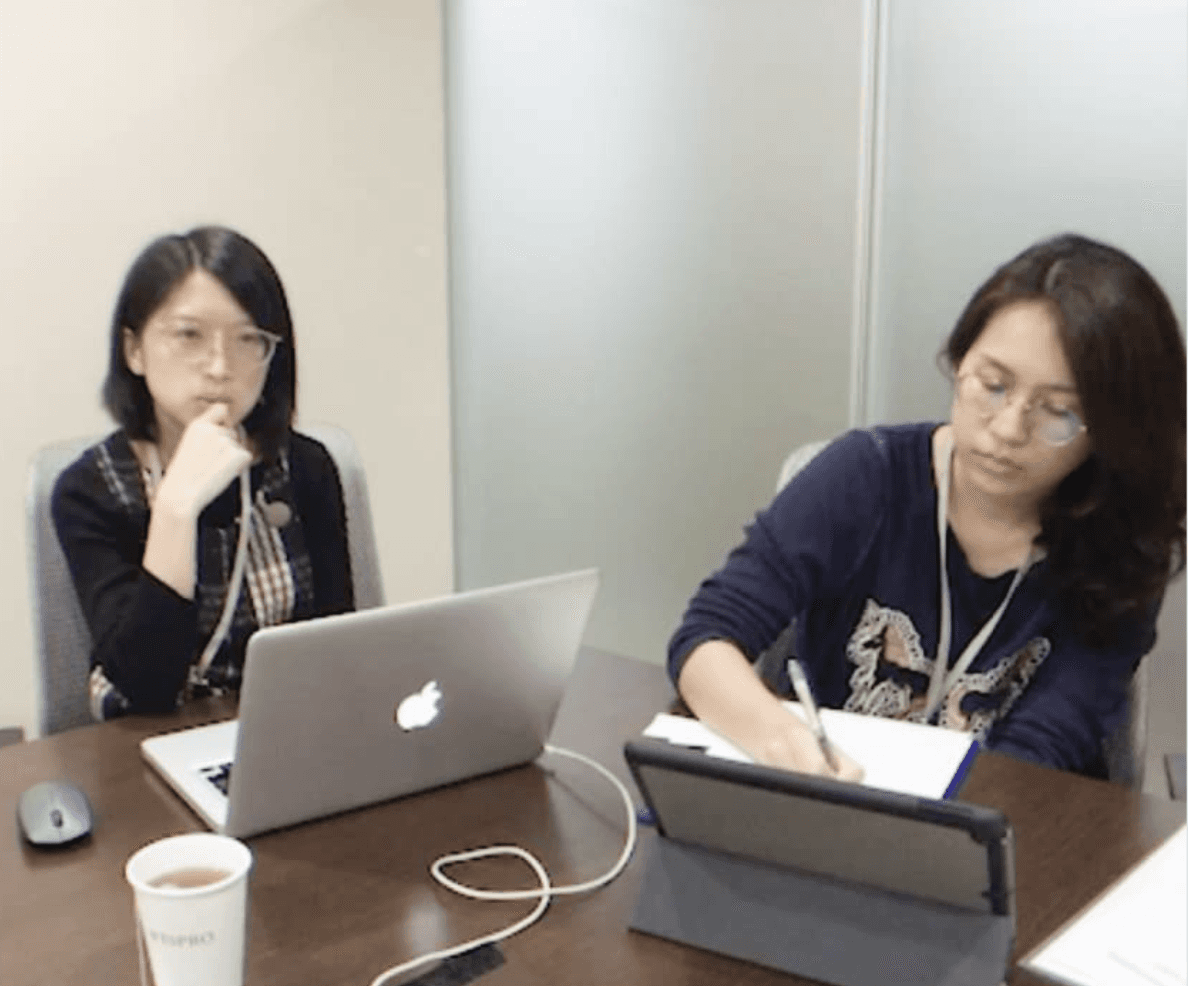
Expert User Interviews
Interviewed three user types—buyers, sellers, and brokers—to understand their real needs and preferences around patent information transparency, transaction flow, and tool usage.
Interface Decision Based on Research
Based on the principle of "high user control," I evaluated the user research results (including A/B tests, usability tests, and user interviews) using two dimensions: "information interpretability" and "interface operability." This led to the final decision to develop Interface Version B, which better aligned with anticipated user behavior and offered superior control.
Key Interview Insights

Sellers
Prioritize confidentiality, prefer internal decision-making, and avoid platform-level transparency

Brokers
Strongly focused on generating high-quality sales presentations, emphasizing data structuring and visualization over raw information access.

Buyers
Seek comprehensive and analyzable patent data, and are willing to use platforms for deep filtering and comparison
Solution & Product Strategy Transformation
Refocusing the Target Audience on Patent Buyers
Using insights from workshop-refined user stories, data reports, and empirical findings from user research, I clearly demonstrated to the Product Manager and team why targeting all user roles was inefficient and resource-intensive. My rationale included:

Sellers prioritize internal decision-making and avoid platform-level transparency; brokers focus on transforming data into marketing materials, not simply accessing raw information.

SaaS
Market Positioning
Focusing on buyers enables clearer product differentiation and more efficient resource allocation in a competitive SaaS landscape.
Final Decision
Focus on the Buyer Market
I successfully aligned the team to target patent buyers as the core user group and redefined the product value proposition as:
"Helping buyers efficiently conduct patent due diligence through comprehensive and analyzable data."
Strategic Shift
From Management to Transaction Support
The product direction shifted from general patent management toward enabling buyers to filter and analyze patent data for smarter investment decisions.
Project Impact & Influence

Reflection & Growth
This project reinforced the importance of deeply engaging in strategic planning during the early stages of product development. Designers should actively leverage user research, co-creation workshops, and data visualization—not just to present visuals and interactions, but to shape the product’s direction.
It strengthened my ability to explore product opportunities from zero, and to influence stakeholders through insight-backed strategies. I learned how to translate real user pain points into data, and use that data to prove the value of both design and direction.
This experience laid a solid foundation for expanding my impact in product strategy and innovation moving forward.